Simplicity
Nothing that does not need to be there. Every part, every surface, every step of ownership distilled to its purpose.
Ashbourne exists to keep one idea intact: the featherweight sports car.
A car should weigh no more than the road requires, and everything good follows from that.
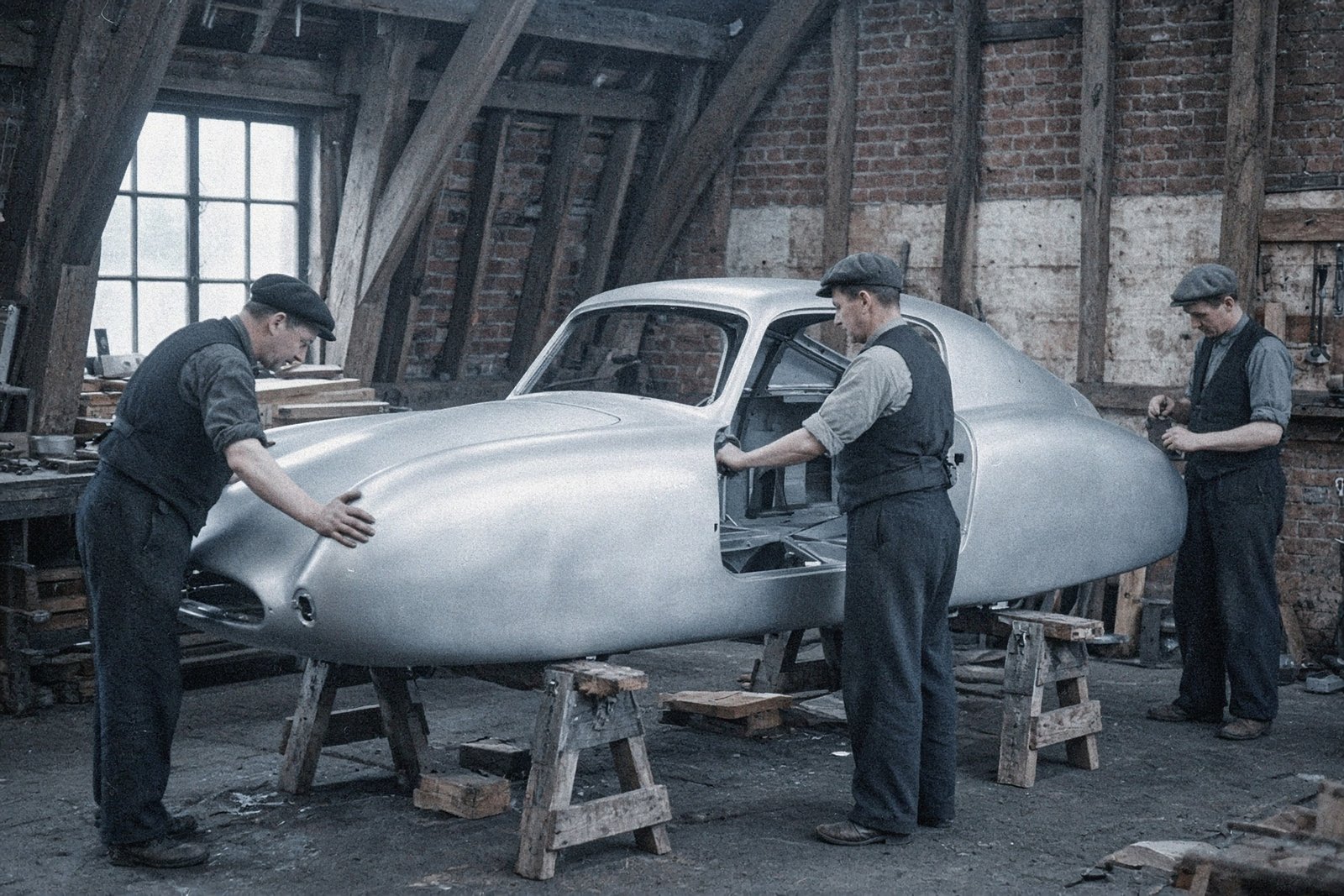
The lanes out of Ashbourne are narrow, the stone is old, and a heavy car has nowhere to hide. That is still the best place to learn what to leave off.
Nothing that does not need to be there. Every part, every surface, every step of ownership distilled to its purpose.
Beauty will always beat a brochure. A car is finished only when you turn, once more, to look at it.
Every gram files a reason. Less mass, less inertia, a clearer conversation with the road.
“The first electric I wanted to leave out in the rain.”Vale
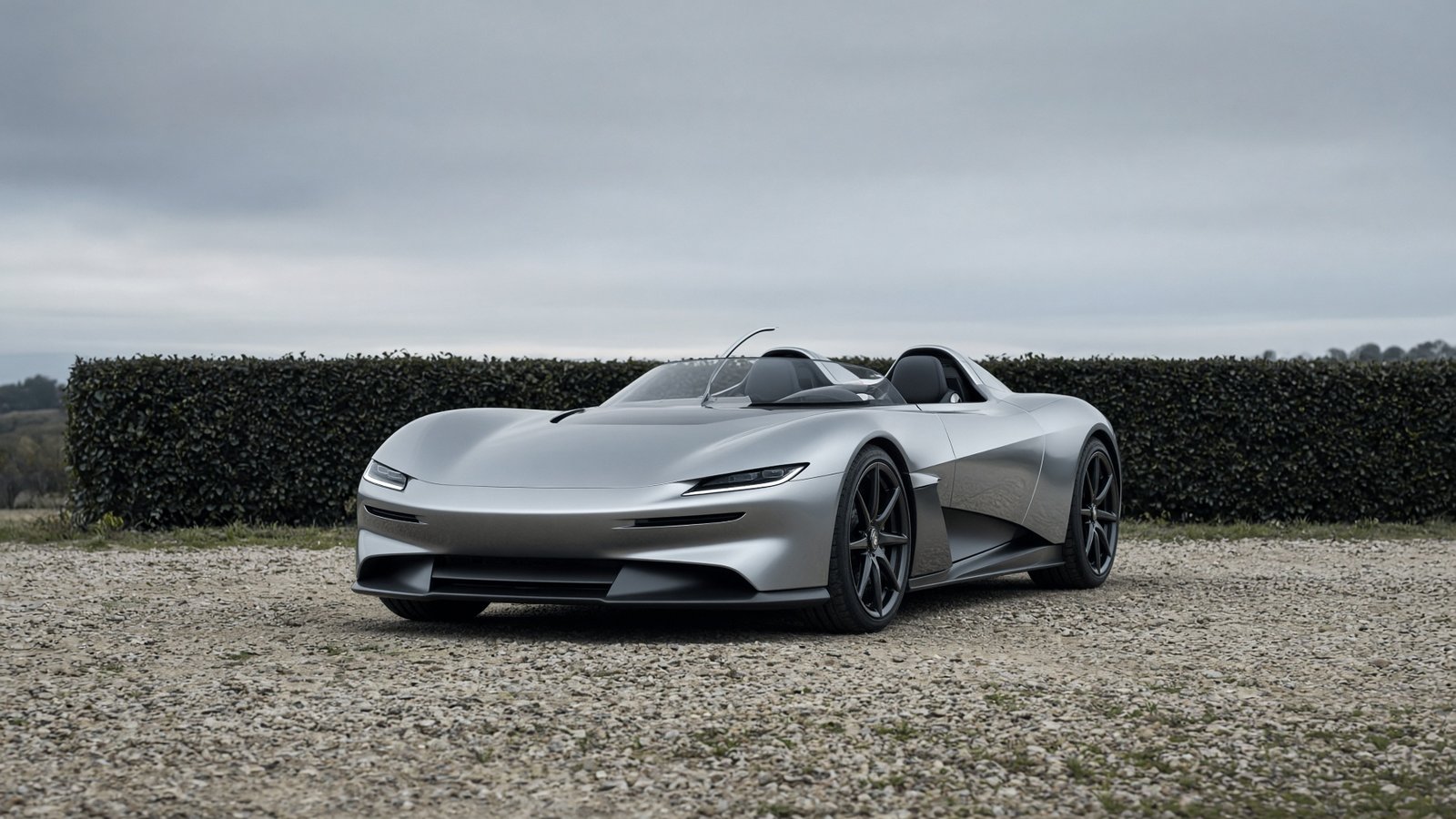
Driving in its bare form. No roof, no menu, no part that cannot argue for its weight. One hundred and twenty, numbered at Compton Works.
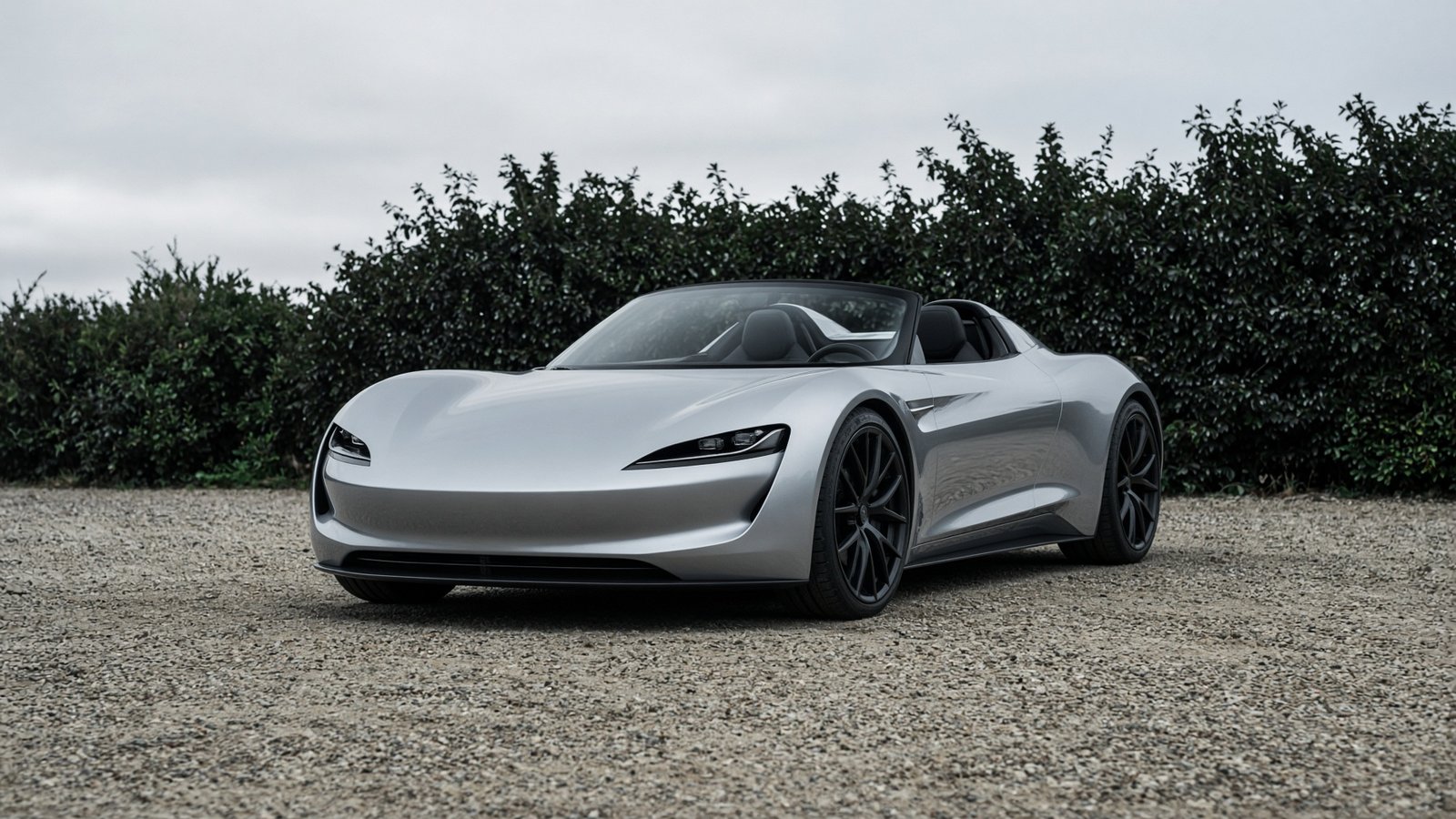
The same keel, a low screen, and a hood you can actually live with. Built for a Tuesday as willingly as a Sunday, and happier the more often it is used.
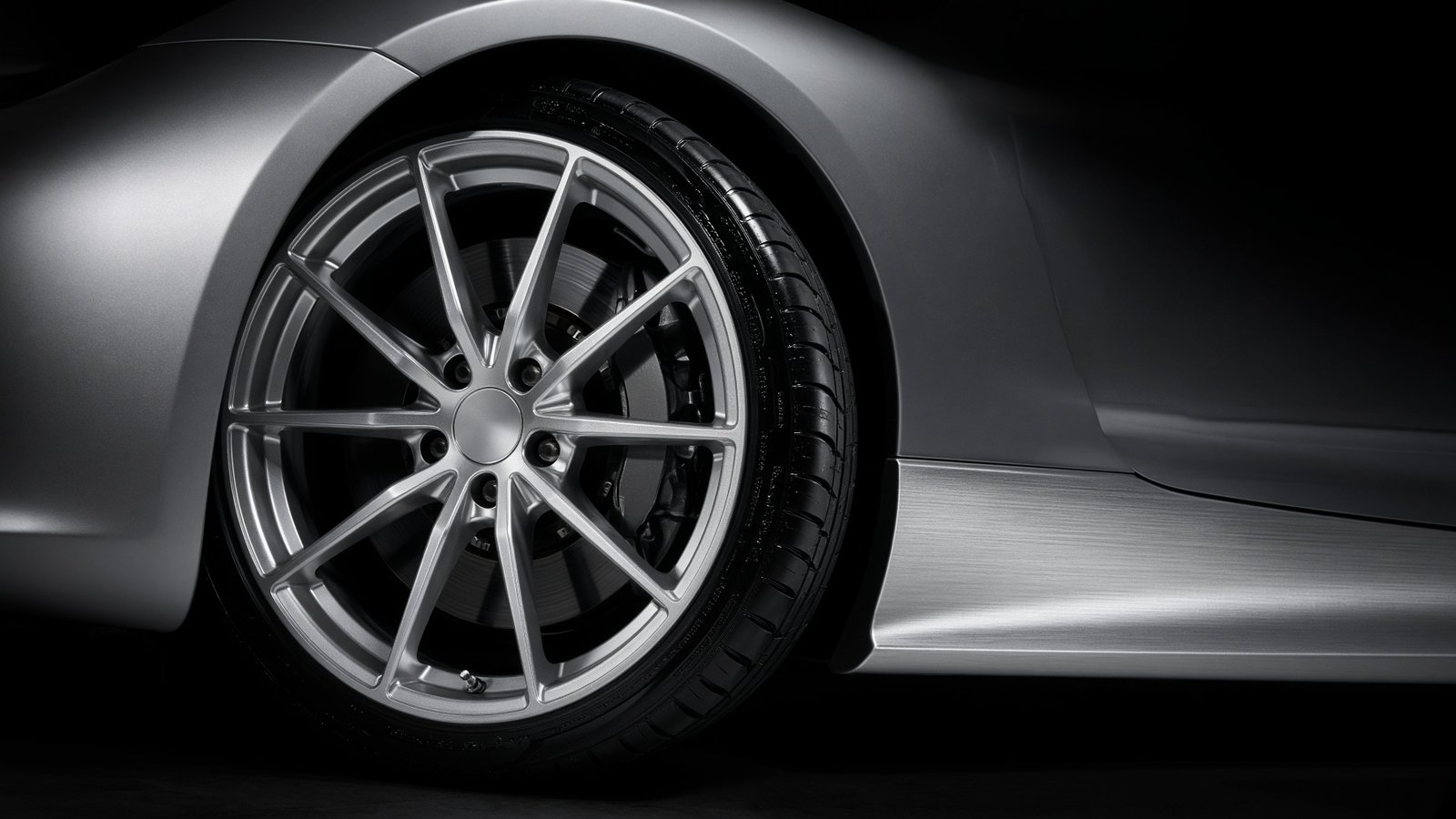
Under the quiet body is a keel, a rear drive unit, and four wishbones.
Technology in the service of feel. Not the other way round.
The engineering